I believe that conscious self-confidence is essential — even required — for women who wear ties. A woman who can wear one gracefully while simultaneously sending a clear, defining message.
The origins of the tie are mentioned in
The Column of Traian
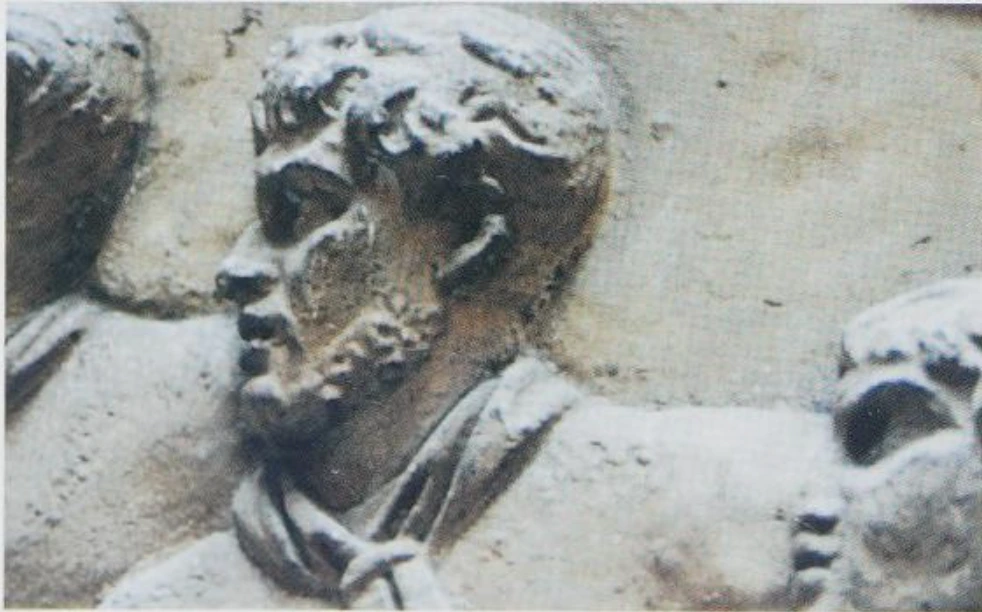 , in Rome, as the earliest recorded evidence t is said to have been
worn by legionnaires, though it bears little resemblance to what we
know today. The first true prototype appeared in 17th-century
Europe, at the court of Louis XIV, inspired by Croatian mercenaries
— hence the name cravat, derived from Croatian. Later, with the
advent of patterned fabrics, and especially stripes, the tie became
a symbol of social status, marking membership in elite circles or
clubs:
Black Watch
, in Rome, as the earliest recorded evidence t is said to have been
worn by legionnaires, though it bears little resemblance to what we
know today. The first true prototype appeared in 17th-century
Europe, at the court of Louis XIV, inspired by Croatian mercenaries
— hence the name cravat, derived from Croatian. Later, with the
advent of patterned fabrics, and especially stripes, the tie became
a symbol of social status, marking membership in elite circles or
clubs:
Black Watch
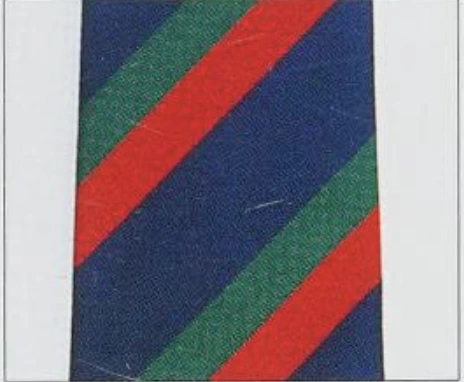 ,
Life Guards
,
Life Guards
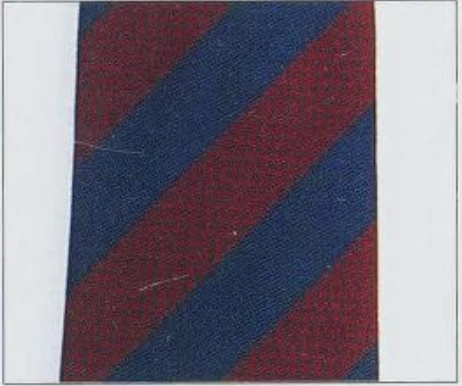 ,
Royal Navy
,
Royal Navy
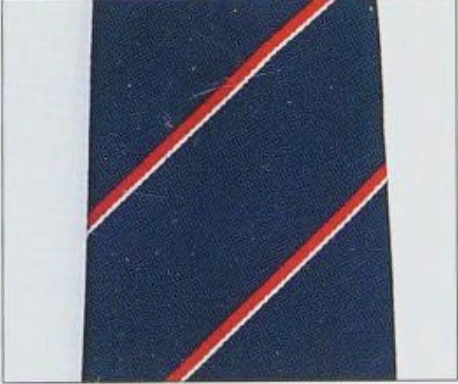 etc.
etc.
am fascinated by how an accessory that once belonged to the military
has evolved into a symbol of elegance. Today, among politicians and
the countless offices of multinational corporations, a tie
represents power and professionalism. Yet I cannot help but think
that we should not be fooled by a perfectly tied knot. The highly
publicized case of
the meeting
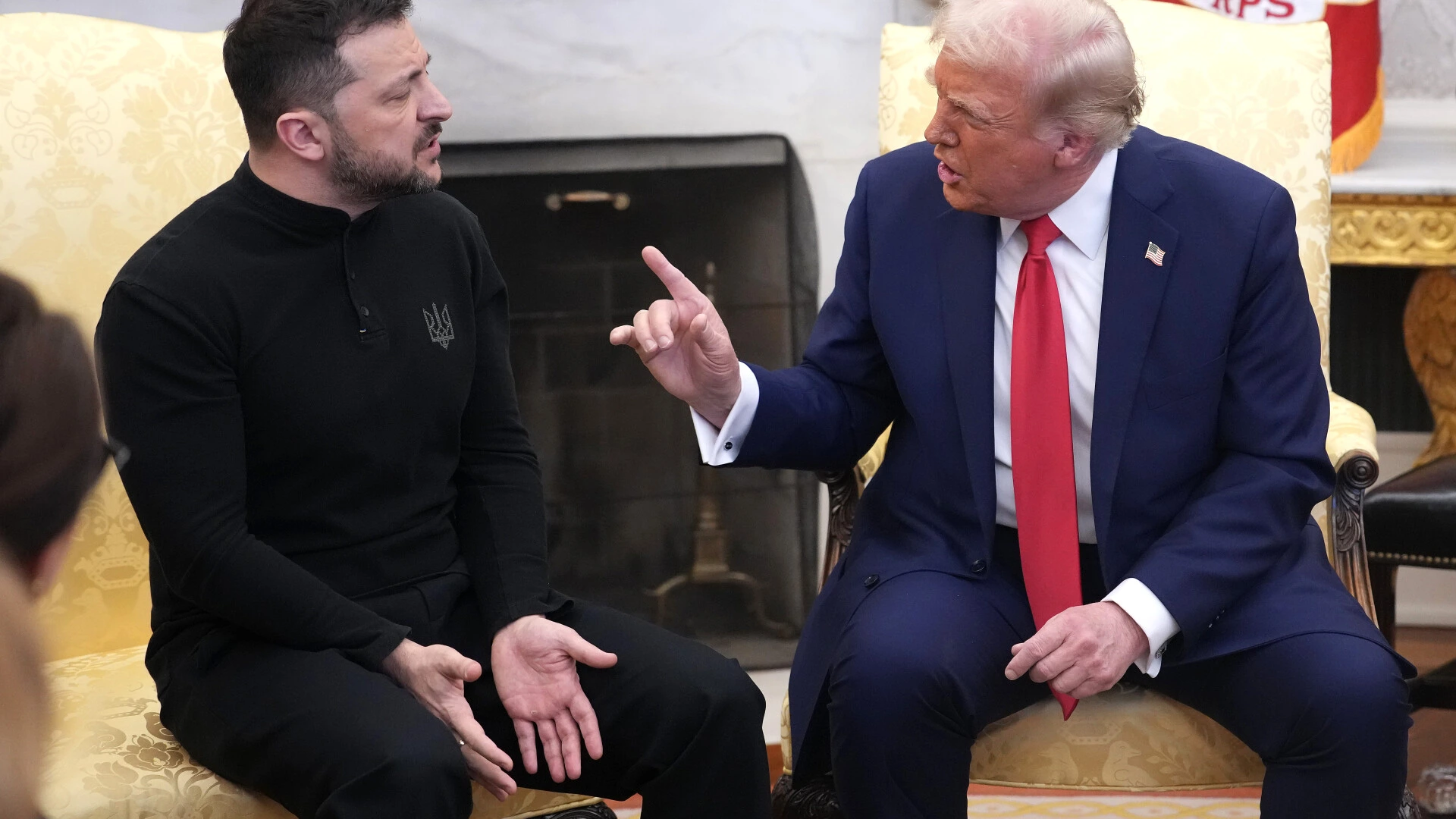 between Donald Trump and Vladimir Zelensky in the Oval Office
supports the perfect idea. The lack of respect and the absence of
true refinement were all too evident, especially paired with the
red, overly long tie and the expensive suit. In some cases, a tie
can transform from a symbol of armor into a comical — even grotesque
— mask…
between Donald Trump and Vladimir Zelensky in the Oval Office
supports the perfect idea. The lack of respect and the absence of
true refinement were all too evident, especially paired with the
red, overly long tie and the expensive suit. In some cases, a tie
can transform from a symbol of armor into a comical — even grotesque
— mask…
On the other hand, for women in the 20th century, the tie was
associated with a strong sense of rebellion and emancipation.
Marlene Dietrich
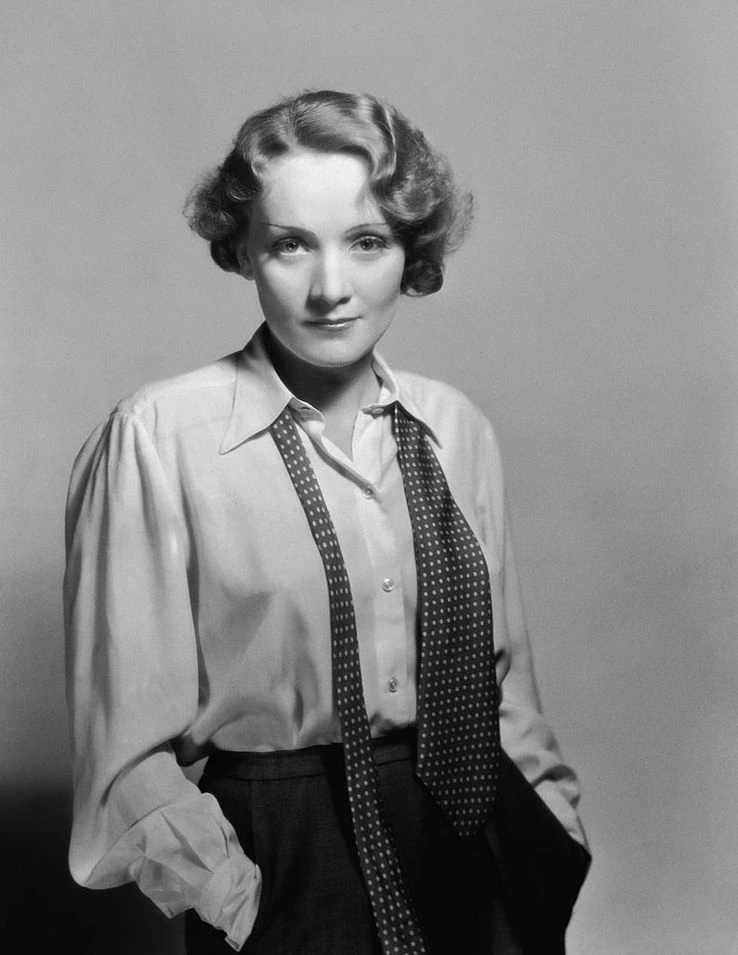 , the german actress who started out as a cabaret singer, used the
tie as a means of expressing her personality: an extremely refined
talent, self-mocking with bold sexuality and insolent intelligence.
In the modern era, the tabloids have been full of
Julia Roberts
, the german actress who started out as a cabaret singer, used the
tie as a means of expressing her personality: an extremely refined
talent, self-mocking with bold sexuality and insolent intelligence.
In the modern era, the tabloids have been full of
Julia Roberts
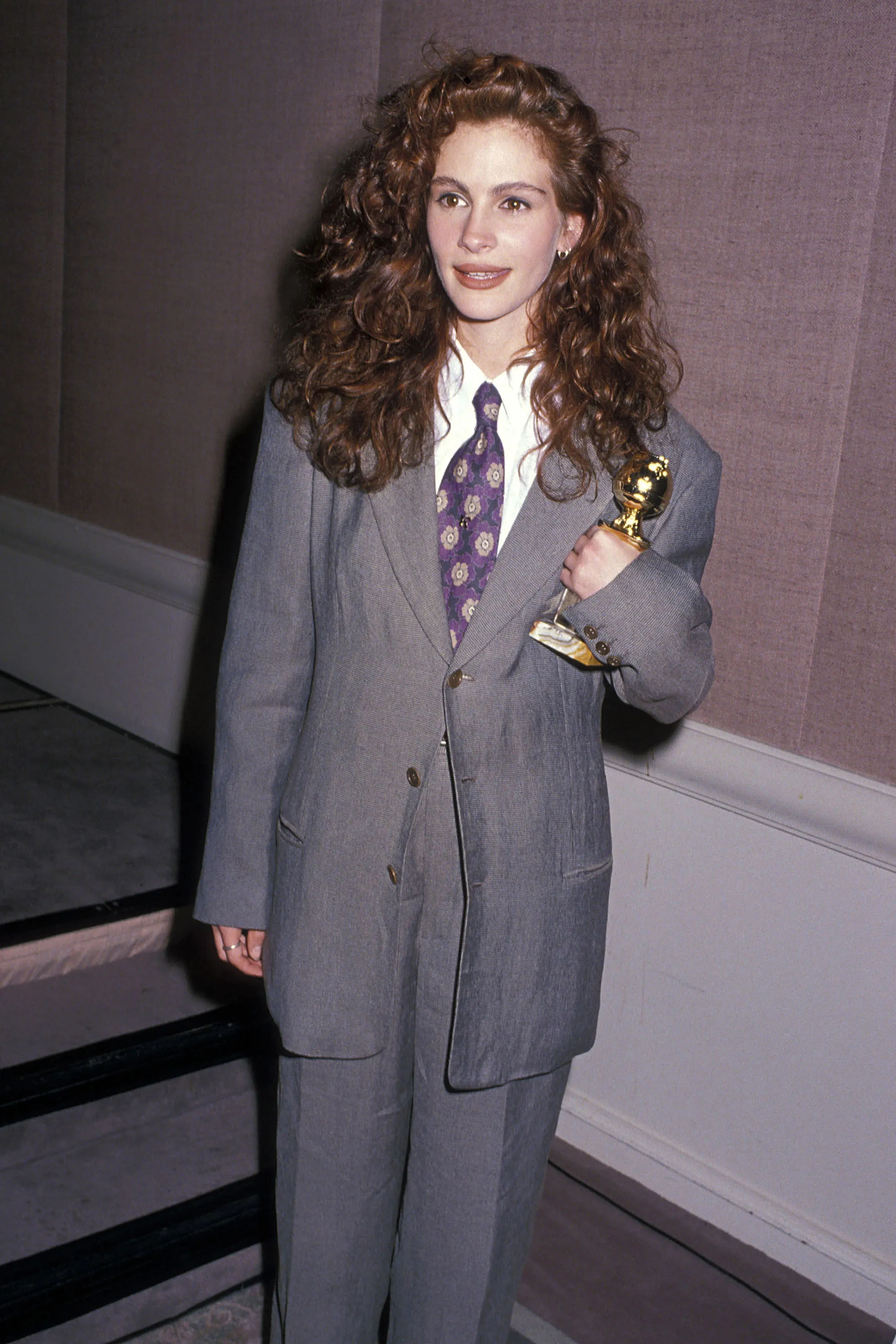 at the Golden Globes in 1990 in a masculine, oversized suit and a
banker's tie with a floral pattern.
at the Golden Globes in 1990 in a masculine, oversized suit and a
banker's tie with a floral pattern.
The tie in my wardrobe is, in fact, borrowed from my father, a former banker, without any thought of returning it. In shades of azure and dark blue with gray stripes, wider than I imagined I would like, it is a masculine accessory that challenges me to be creative. Today, reinterpretation is key to adding flair to an outfit. Whether you wear it around your waist like a belt, at the base of the neck over a crisp white shirt, tied in one of the 48 famous knots, or left casually untied, you are sure to stand out. The multitude of patterns, fabrics, and original prints makes it possible to be truly unique — if you’re willing to experiment.
Beyond the freedom of expression that a tie offers as an accessory, my father’s tie carries a nostalgic undertone. It still smells faintly of coffee, as if I can see him wearing it and swaying in the distance on an evening after a long day of work. So much said about heritage — a quiet witness to the passage of time.
-AE